









Modafinil and Armodafinil: Mechanism, Uses, and Effects

What are modafinil and armodafinil?
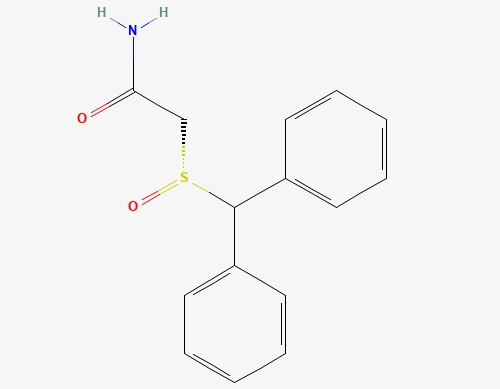
Modafinil and armodafinil are central nervous system stimulants primarily used to treat sleep disorders such as narcolepsy, obstructive sleep apnea, and shift work sleep disorder. Modafinil is a racemate, meaning it consists of two enantiomers, while armodafinil contains only one of them: R-modafinil, which affects its pharmacokinetics and potency.
Both drugs have been approved for use by the FDA (Food and Drug Administration) and the EMA (European Medicines Agency) and are available by prescription. Although they are chemically and functionally related, differences in their molecular structures result in distinct action and metabolism profiles.
Modafinil has held a unique position in pharmacology for two decades. Classified as a wakefulness-promoting agent (eugeroic), it doesn't fit neatly into traditional categories of psychostimulants like amphetamines or methylphenidate, even though it shares some behavioral effects with them. Its R-enantiomer, armodafinil, which was approved in the U.S. in 2007, is often marketed as a longer-acting version, though the pharmacokinetic differences are more nuanced than this simplified narrative suggests.
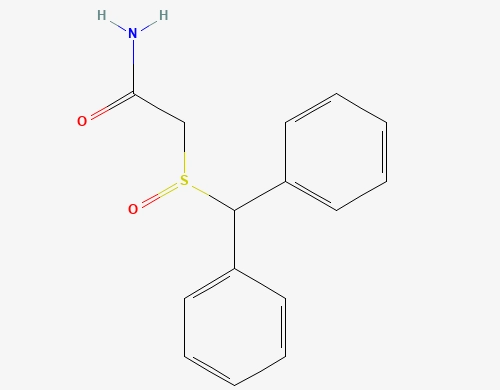
Modafinil is a synthetic derivative of benzhydrylsulfinylacetamide, structurally unrelated to phenethylamines (amphetamine, methamphetamine) or piperidine-based stimulants (methylphenidate). It is a racemic mixture of two enantiomers: R-modafinil and S-modafinil, in an approximately 1:1 ratio. Armodafinil, on the other hand, is the isolated R-enantiomer.
From a pharmacological classification perspective, modafinil is considered a eugeroic, a substance that promotes wakefulness, as opposed to stimulants that induce massive monoamine release. Initially, it was thought to lack a dopaminergic mechanism due to its structural dissimilarity to other DAT ligands and its relatively low micromolar affinity for this transporter. However, extensive receptor screening studies identified DAT as the only target protein with significant (sub-10 µM) affinity for modafinil.
In clinical practice, modafinil is often referred to as an "atypical stimulant" or "the first well-validated pharmacological nootropic," though the latter label remains highly debated—a topic I will revisit later.
Mechanism of Action
The mechanism of action of modafinil, despite two decades of research, remains not fully understood. Scientific consensus leans toward a multi-target model, where inhibition of dopamine reuptake plays a key role, but a range of indirect effects also involves the noradrenergic, histaminergic, orexinergic, glutamatergic, and GABAergic systems.
Inhibition of the Dopamine Transporter
The most well-documented action is the weak inhibition of the dopamine transporter (DAT). In vitro studies have shown that modafinil exhibits measurable activity only against DAT, inhibiting [³H]dopamine uptake with an IC50 of approximately 4.0 µM. This value is significantly higher (indicating lower affinity) than that of cocaine or methylphenidate, which explains its distinct behavioral profile. Modafinil is a weak inhibitor of NET, and its ability to inhibit dopamine reuptake via DAT is about 100 times weaker than methylphenidate and roughly 10 times weaker than benztropine.
Notably, modafinil binds to DAT differently than cocaine. It stabilizes the transporter in an outward-facing conformation, similar to other atypical inhibitors (e.g., benztropine, GBR12909), which lack cocaine's characteristic addictive potential despite having higher DAT affinity. This likely explains why, despite increasing extracellular dopamine, modafinil does not induce euphoria comparable to classical stimulants.
Dopaminergic activity is confirmed by imaging studies. PET scans have shown that modafinil displaces radioligands from DAT, confirming its role as a dopamine reuptake inhibitor. Furthermore, its stimulating effect in the brain involves an increase in extracellular dopamine levels, and the wake-promoting effect is absent in DAT-knockout mice, providing strong evidence that this transporter is a necessary, though perhaps not the sole, component of its mechanism.
Orexinergic and Histaminergic Systems
Modafinil activates orexinergic (hypocretinergic) neurons in the lateral hypothalamus, which are crucial for regulating wakefulness. In rats lacking both orexin alleles, modafinil still promoted wakefulness, albeit less effectively than in wild-type animals, indicating that the orexinergic system participates in modafinil's action but is neither its primary center nor its sole pathway.
Indirectly, through activation of histaminergic pathways from the tuberomammillary nucleus (TMN), modafinil increases histamine concentrations in the forebrain, further enhancing wakefulness. Its effects on the GABAergic system, particularly the reduction of GABA release in certain brain regions, and modulation of glutamatergic transmission are additional pieces of the overall puzzle.
Modulation of Cognitive Networks
In terms of cognitive effects, the proposed mechanism involves enhanced executive control. Modafinil increases activity in the prefrontal cortex and anterior cingulate gyrus, which EEG studies show as changes in alpha, beta, and theta bands. It directly elevates cortical catecholamine levels, indirectly raises serotonin, glutamate, orexin, and histamine concentrations in the brain, and indirectly lowers GABA levels.
Pharmacokinetics: How does the body process these drugs?
Modafinil and armodafinil differ in their pharmacokinetics, which affects their duration of action and potential efficacy. Modafinil, being a racemic mixture, contains both the R and S enantiomers. The R-enantiomer (armodafinil) is more active and has a longer half-life, resulting in prolonged clinical effects.
Both drugs exhibit good oral bioavailability. Peak plasma concentration (Cmax) is typically reached about 2-4 hours after administration. They are primarily metabolized in the liver through cytochrome P450 enzymes, particularly CYP3A4. Excretion occurs mainly via the kidneys in the form of metabolites. Concurrent use of CYP3A4 enzyme inhibitors or inducers (e.g., ketoconazole or carbamazepine) can influence the blood concentration of these drugs.
Registered Indications for Use
The range of approved indications for modafinil and armodafinil varies across jurisdictions. In the European Union, modafinil is approved solely for excessive sleepiness associated with narcolepsy with or without cataplexy in adults. In 2010, the European Medicines Agency (EMA) narrowed the indications, removing sleep apnea and shift work sleep disorder due to the risk-benefit profile.
In the United States, the FDA maintains a broader range of indications: narcolepsy, shift work sleep disorder (SWSD), and excessive sleepiness associated with obstructive sleep apnea as an adjunct to standard treatment (CPAP). Armodafinil has the same three indications in the U.S.
According to the manufacturer's documentation (SmPC), modafinil should only be used in patients who have undergone a comprehensive evaluation for excessive sleepiness and have been diagnosed with narcolepsy based on ICSD2 diagnostic criteria. The recommended initial daily dose is 200 mg, which can be taken as a single dose in the morning or split into two doses, one in the morning and one at noon. For patients with insufficient response, doses up to 400 mg may be used.
Off-Label Uses
Modafinil is often used off-label in various other contexts: chronic fatigue syndromes, depression with a predominant sleepiness component (as an augmentation to SSRIs/SNRIs), fatigue associated with multiple sclerosis, Parkinson's disease, chemotherapy, or attention disorders (adult ADHD). In these applications, the evidence varies in quality, often limited to smaller RCTs and meta-analyses with moderate strength of evidence.
A separate area involves the use of modafinil as a so-called "smart drug" by healthy individuals without sleep deprivation, aiming to enhance cognitive functions. This application is not covered by any regulatory approval.
Modafinil as a Neuroenhancer: The Evidence
The literature here is ambiguous and requires an honest presentation. In a 2015 systematic review, Battleday and Brem concluded that while most studies using basic test paradigms show that modafinil enhances executive functions, only half demonstrate improvements in attention, learning, and memory, with some even reporting impairments in divergent and creative thinking. In contrast, with more complex assessments, modafinil appears to consistently enhance attention, executive functions, and learning.
Later meta-analyses are less enthusiastic. Kredlow et al., in a 2019 meta-analysis, reported a minimal effect size (g = 0.06) when comparing attention test results, further explaining the minimal impact of modafinil on attention in healthy individuals without sleep deprivation. Both reviews identified no significant improvement in working memory.
In summary: for sleep-deprived individuals, modafinil significantly improves alertness and cognitive task performance in a clinically meaningful way. For well-rested individuals, the effect is small, primarily affecting complex executive tasks and partially offset by declines in areas such as cognitive flexibility and divergent creativity. The belief in a "miraculous" effect on cognitive functions in healthy individuals does not hold up against meta-analytical evidence.
Potential Side Effects and Interactions
Like any medication, modafinil and armodafinil can cause side effects. The most commonly reported symptoms include headaches, nausea, nervousness, dry mouth, insomnia, and dizziness. In rare cases, more severe reactions may occur, such as allergic skin reactions (e.g., Stevens-Johnson syndrome) or psychiatric disorders, including anxiety and psychosis.
Interactions with other medications are also a significant safety consideration. Modafinil and armodafinil can affect the metabolism of drugs processed by the cytochrome P450 system, potentially altering their concentration in the body. For instance, contraceptives may become less effective when used concurrently with these substances. Therefore, it is crucial to inform your doctor about all medications you are taking before starting treatment.
Safety, Side Effects, Risks
Modafinil and armodafinil are generally well-tolerated, but they carry serious, albeit rare, side effects that should not be overlooked.
Common Side Effects
Modafinil is typically a well-tolerated stimulant. The most frequently reported side effects (in less than 10% of users) include headaches, nausea, and reduced appetite. Other commonly reported side effects (affecting 5% to 10% of users) include anxiety, insomnia, dizziness, diarrhea, and nasal congestion.
Insomnia is a predictable effect of a wakefulness-promoting drug and often necessitates dosing in the first half of the day. Headaches may be dose-dependent and tend to subside within a few days of use for some patients.
Severe Skin Reactions: SJS, TEN, DRESS
This is the most serious risk associated with the use of modafinil and armodafinil. In clinical trials of modafinil, the incidence of rashes leading to treatment discontinuation was approximately 0.8% (13 out of 1,585) in pediatric patients under the age of 17. These rashes included one case of possible Stevens-Johnson syndrome and one case of a clear multi-organ hypersensitivity reaction. The median time to rash onset leading to treatment discontinuation was 13 days. Rare cases of severe or life-threatening rashes, including SJS, toxic epidermal necrolysis (TEN), and drug reaction with eosinophilia and systemic symptoms (DRESS), have been reported in both adults and children in post-marketing global experience.
Post-marketing reports have included two deaths associated with drug hypersensitivity, including DRESS. Patients are advised to discontinue armodafinil at the first sign of rash, skin or mouth ulcers, blisters, or sores.
For this reason, modafinil is not approved for use in children, and any rash appearing within the first weeks of therapy in adults should lead to immediate discontinuation of the drug and medical consultation.
Psychiatric Reactions
In controlled and open-label clinical trials, adverse effects involving the psychiatric and nervous systems included Tourette's syndrome, insomnia, hostility, exacerbation of cataplexy, intensification of hypnagogic hallucinations, and suicidal ideation. European product documentation advises caution in patients with a history of psychiatric disorders, including psychosis, depression, mania, and anxiety disorders. The use of modafinil has been associated with inducing or exacerbating anxiety.
Cardiovascular Risks
Modafinil may increase heart rate and blood pressure. Before starting treatment, cardiovascular status should be assessed, and heart rate and blood pressure should be monitored during treatment. The drug should not be used in patients with uncontrolled hypertension, recent myocardial infarction, unstable angina, or clinically significant arrhythmias.
Pregnancy and Breastfeeding
Modafinil potentially increases the risk of congenital malformations (including congenital heart defects, hypospadias, and orofacial clefts); it should not be used during pregnancy, and alternative treatments for narcolepsy should be considered. For breastfeeding women, it is unknown whether modafinil passes into breast milk. Caution is advised.
Tolerance and Dependence
This is an area where data remains inconclusive. Clinical studies have not identified tolerance as a frequent outcome, even with therapeutic use lasting up to 40 weeks. However, long-term use may lead to tolerance in some individuals, requiring higher doses to maintain efficacy. Individuals with a current or past history of substance abuse and those with a family history of addiction are at higher risk. Tolerance appears more likely with off-label use for cognitive enhancement than with therapeutic use for narcolepsy.
Modafinil has a lower potential for addiction compared to classic stimulants, as confirmed by both animal studies and clinical observations. This does not mean it is risk-free, especially for individuals with predispositions. Cases of misuse have been documented in the literature, although they are less common than with amphetamines or methylphenidate.
Legal Status of Modafinil and Armodafinil
In most jurisdictions, modafinil and armodafinil are prescription-only medications classified as controlled substances. The specific control category varies by country: in the United States, modafinil and armodafinil are listed under Schedule IV of the Controlled Substances Act; in the United Kingdom, they are classified as Prescription-Only Medicine without additional control categories; in many European Union countries, they appear on national lists of psychotropic substances with corresponding prescription requirements. Possession of these substances without a valid prescription constitutes a legal violation in most jurisdictions.
Commercial availability differs significantly across markets. In some countries, modafinil is registered and available in pharmacies under trade names (e.g., Provigil, Vigil, Modiodal, Modafinil-Neuraxpharm). In others, it can only be imported on an individual basis with approval from the relevant regulatory authority. Reimbursement, where available, is typically restricted to cases of narcolepsy confirmed by a multiple sleep latency test and polysomnography.
Armodafinil has a narrower scope of registration. It is approved for use in countries such as the United States and some non-European Union nations, but in many European jurisdictions, it lacks registration and is only accessible through individual importation.
Regardless of jurisdiction, modafinil and armodafinil are included on the World Anti-Doping Agency's (WADA, category S6, stimulants) list of prohibited substances, both in-competition and, in some disciplines, out-of-competition, making their use off-limits for professional athletes.
Perspectives and Challenges of Using Modafinil and Armodafinil
Modafinil and armodafinil remain promising tools in medicine, particularly for treating sleep disorders and potentially other neurological conditions such as ADHD or depression, though these applications require further research. At the same time, their popularity as nootropics among healthy individuals poses significant challenges related to regulation, ethical use, and abuse prevention.
Further research is essential to better understand their long-term effects, both in medical and non-medical contexts. At the same time, it is crucial to educate people about the risks associated with irresponsible use of these drugs to minimize potential health harms.